
 English
37073

 Click the blue words to follow the 3-point blockchain 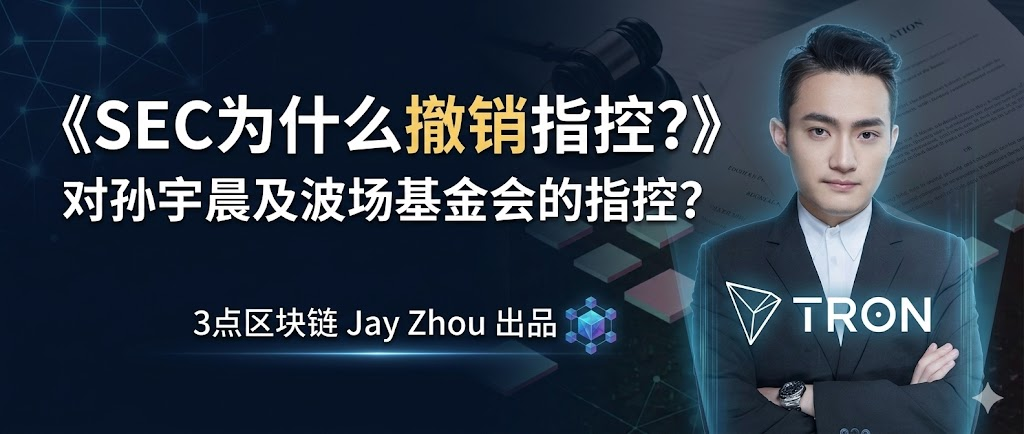 Introduction: A regulatory game spanning three years finally reached a settlement.On March 5, 2026, the U.S. Securities and Exchange Commission (SEC) submitted a major document to the Federal Court of the Southern District of New York, formally requesting to drop all charges against crypto billionaire Justin Sun, the Tron Foundation and the BitTorrent Foundation. As the core terms of the settlement agreement, Rainberry Inc. (formerly known as BitTorrent), which is deeply tied to the TRON network, agreed to pay a civil penalty of US$10 million, accept a permanent injunction, and commit to strictly complying with U.S. securities regulations in the future. After this news was reported by CNBC and other authoritative media, it quickly shocked the global encryption market - TRON's native token TRX rose by about 5% in the short term, and discussions within the industry about the change in regulatory trends instantly heated up.  This legal dispute that has lasted for nearly three years began with the SEC’s strong prosecution of Justin Sun and his related entities in 2023. It was once regarded as a typical benchmark for the “enforcement first” strategy of encryption regulation during the Biden administration.; Now it has ended with the complete withdrawal of the charges, which coincides with the critical stage of the Trump administration's "encryption renaissance" plan. Behind it is not only the judicial end of a single case, but also marks a historic turning point in the US encryption regulatory landscape, providing a new development clue for the global encryption industry that is deeply mired in regulatory fog. 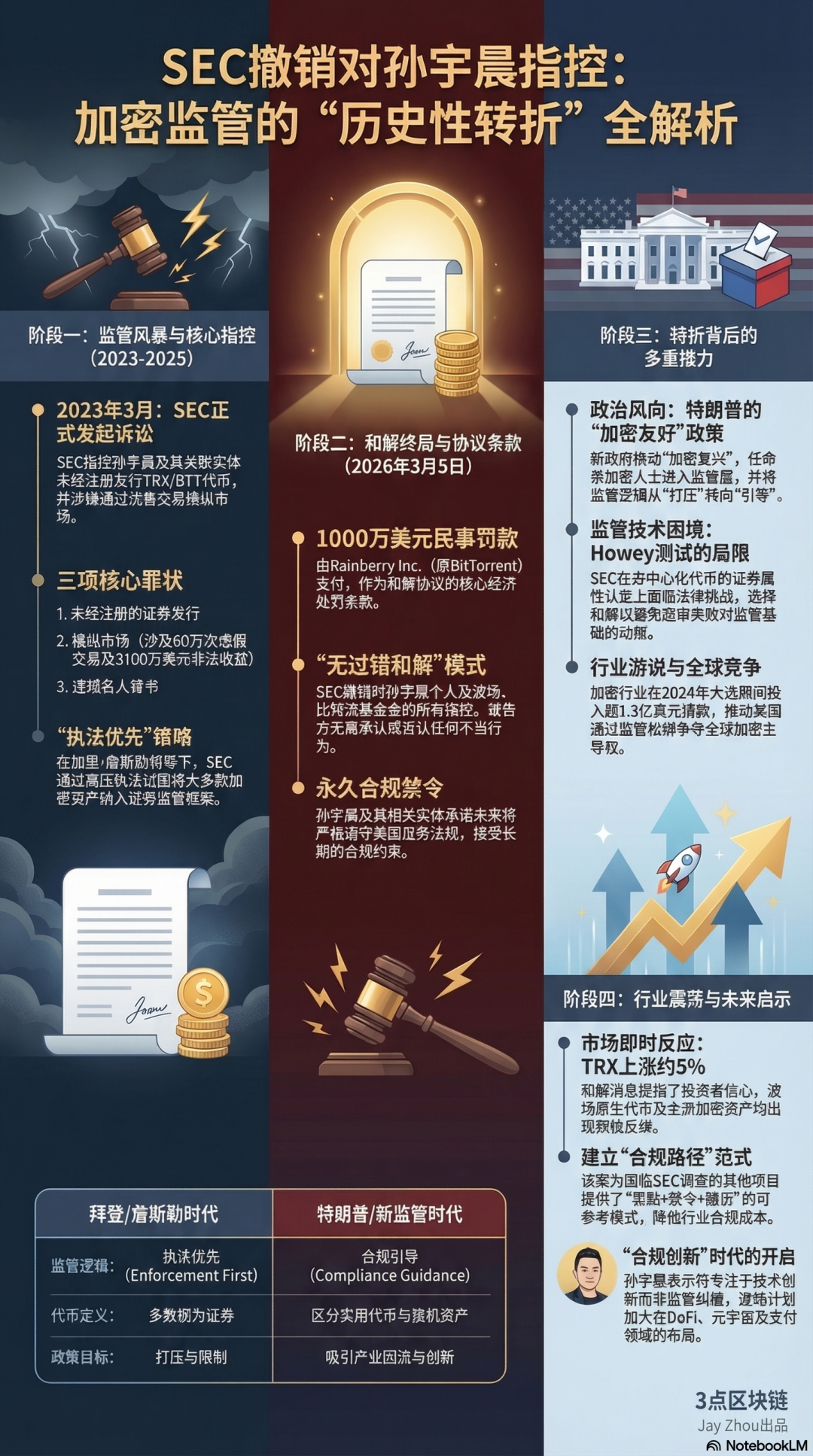 1. From innovation star to regulatory target: the rise and dilemma of Justin Sun and TRON1.1 TRON’s rapid expansionJustin Sun, a Chinese entrepreneur born in 1990, has become one of the most controversial stars in the encryption industry with his bold business layout and strong social media influence. In 2017, he founded the Tron blockchain platform with the vision of "building a decentralized Internet ecosystem" and focused on content distribution and entertainment applications. With its efficient transaction processing speed and active community operations, the Tron network rose rapidly, and the market value of the native token TRX once ranked among the top ten global crypto assets. ⬇️Welcome to watch our video⬇️ In 2019, Justin Sun completed the acquisition of the well-known file sharing protocol BitTorrent and integrated it into a core component of the Tron ecosystem, further expanding the ecological coverage and user base. At its peak, the transaction volume processed by the Tron network once surpassed Ethereum and became one of the busiest blockchain networks in the world. Justin Sun himself also continued to occupy the focus of the industry through a series of high-profile actions such as cooperating with the Trump family encryption project, and his personal wealth valuation exceeded US$1 billion. 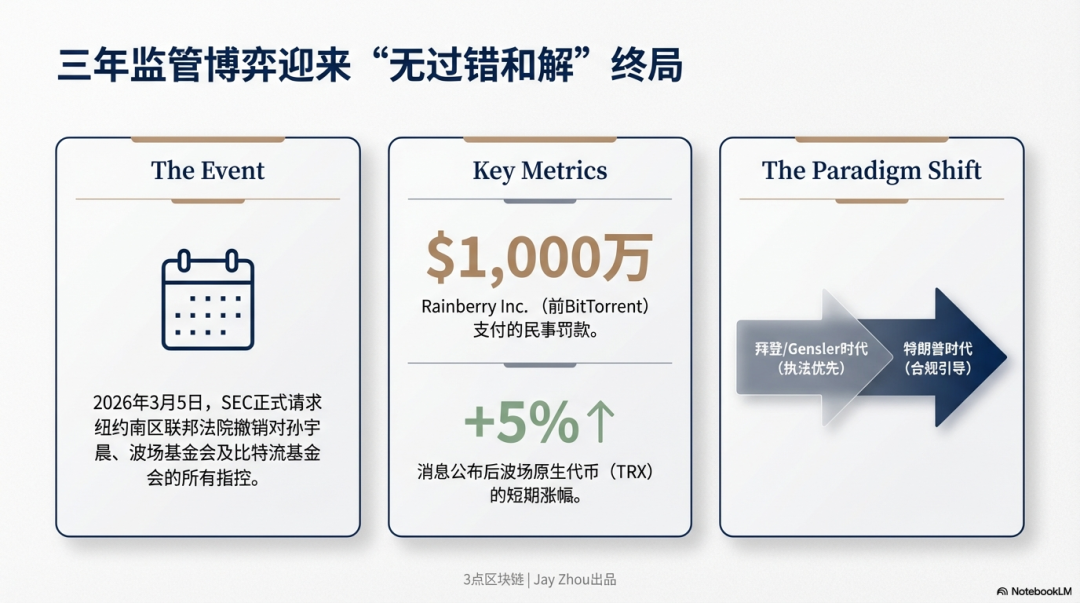 1.2 SEC’s Comprehensive Charge: A Typical Case in the Era of Enforcement PriorityTron’s rapid expansion and Justin Sun’s high-profile style soon attracted close attention from regulatory agencies. In March 2023, the SEC formally filed a lawsuit against Justin Sun and his related entities, raising three core charges: First, selling and airdropping TRX and BTT tokens without registration. The SEC claimed that these two tokens met the definition of "securities" but failed to comply with the information disclosure requirements of the federal securities laws. ; The second is suspected of manipulating the market through "wash trading". The SEC accused Sun Yuchen of instructing employees to conduct more than 600,000 TRX transactions between the accounts of two crypto trading platforms he controlled, artificially creating false trading volumes to attract investors. Related activities brought a total of approximately US$31 million in illegal gains. ; The third involves celebrity endorsement violations. Many Hollywood stars and social media celebrities (such as Lindsay Lohan and Jake Paul) failed to disclose the remuneration they received when promoting TRX and BTT, and were found by the SEC to have misled investors. 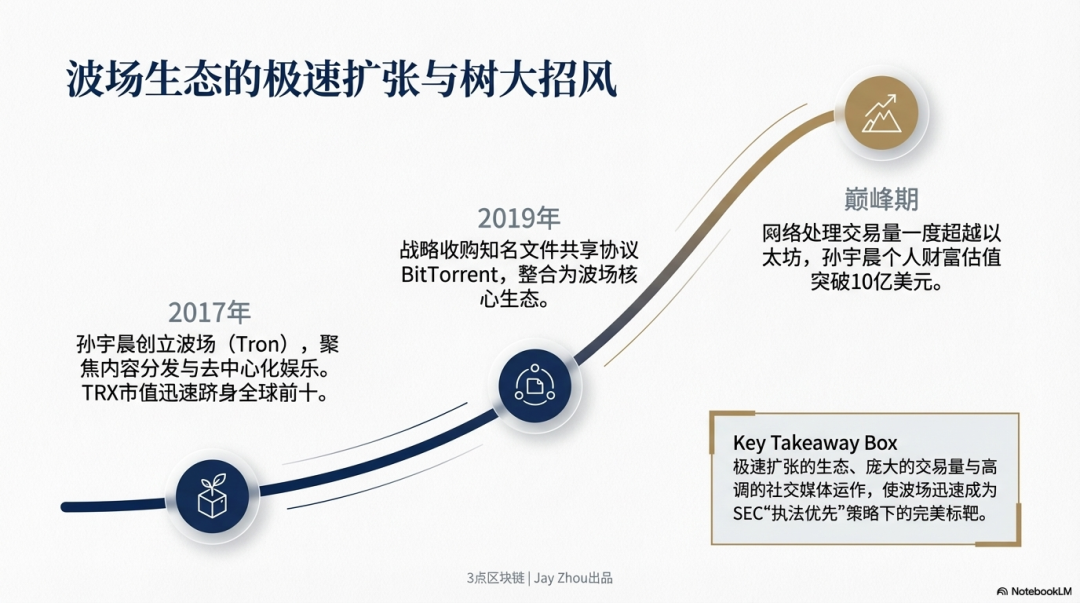 At that time, the SEC, under the leadership of Chairman Gary Gensler, was pursuing an "enforcement priority" strategy for the crypto industry. Gensler publicly stated on many occasions that "most crypto assets should be considered securities," and the Justin Sun case was seen as an important practice of this regulatory approach. The advancement of the case plunged the Tron ecosystem into regulatory uncertainty, TRX prices fluctuated significantly, and Justin Sun himself faced tremendous legal pressure. Faced with the accusation, Sun Yuchen publicly responded on social media, saying that the accusation "lacked factual basis" and promised to respond to the lawsuit with all his strength. This judicial game kicked off. 2. Behind the reconciliation: dual changes in political trends and regulatory logic2.1 From confrontation to compromise: a year-long negotiation processThe SEC's final withdrawal of the charges was not a sudden turn of events, but the result of long-term games and negotiations between the two parties. As early as February 2025, Sun Yuchenfang and SEC lawyers jointly submitted an application to the Manhattan District Judge in New York, requesting a 60-day suspension of the case trial to create space for potential settlement negotiations. This key node coincides with the time window when Donald Trump returns to the White House. After the new government takes office, it quickly adjusts encryption regulatory policies, which has a fundamental impact on the direction of the case. During the negotiation process, the two sides repeatedly argued over core disputes: the SEC insisted that relevant entities bear legal responsibilities and make compliance commitments, while Sun Yucheng refused to admit any wrongdoing. The settlement plan finally reached showed the characteristics of a typical "regulatory compromise" - it neither required Justin Sun, Tron Foundation, or BitTorrent Foundation to admit or deny the accusations, but also achieved regulatory constraints through the fines and bans of Rainberry Inc. This "no-fault settlement" model not only preserved the regulatory authority of the SEC, but also cleared obstacles for the subsequent development of Sun and the Tron ecosystem. 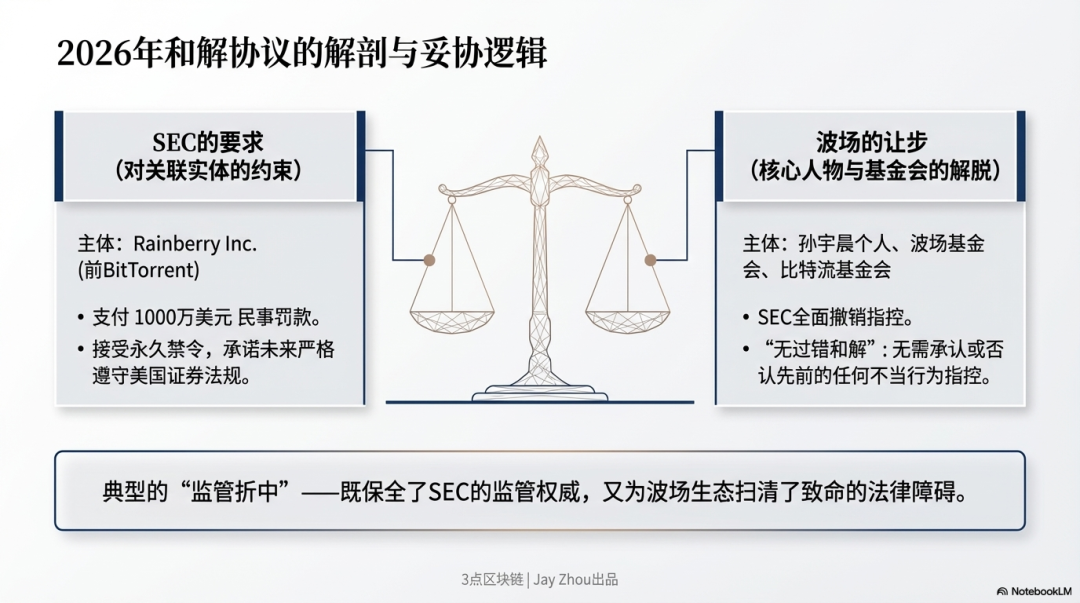 2.2 Changes in the political environment: The Trump administration’s “encryption-friendly” shiftThe fundamental change in the direction of the case is inseparable from the drastic changes in the U.S. political and regulatory environment. Trump has made "encryption renaissance" a core policy proposition in his 2024 presidential campaign, promising to make the United States the "global cryptocurrency capital." This stance is inseparable from the strong support of the encryption industry. According to the Wall Street Journal, during the 2024 U.S. election, the encryption industry provided more than $130 million in political donations through super political action committees to congressional candidates who support encryption-friendly policies. 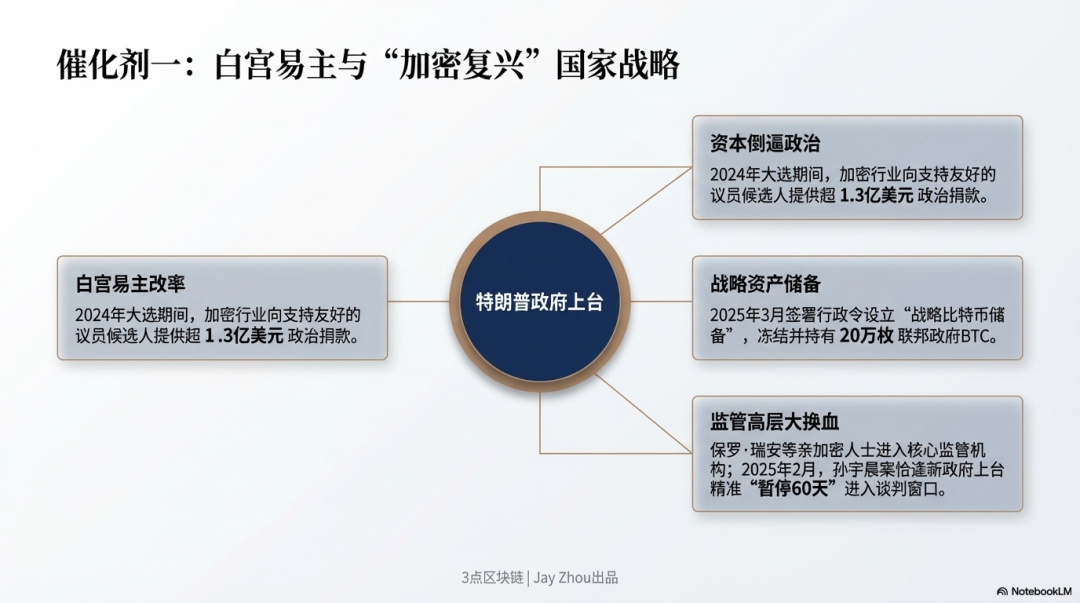 After taking office, Trump quickly fulfilled his promise: in March 2025, he signed an executive order to establish a "strategic Bitcoin reserve" and announced that the federal government would no longer sell the 200,000 Bitcoins it held.; Appoints pro-crypto figures like Paul Ryan to core regulators ; Push Congress to legislate to provide a clear regulatory framework for digital assets and end "regulatory uncertainty." Under this policy guidance, the SEC's regulatory logic has shifted from "enforcement suppression" to "compliance guidance." The case of Justin Sun has become the first case to be "cleared" among the many encryption law enforcement actions launched in the Biden era, echoing the recent regulatory trend of the SEC withdrawing some charges against Gemini Exchange. Industry analysts pointed out that the Trump administration’s policy change is essentially to compete for dominance in the global encryption industry. In the context of Singapore, Dubai and other regions launching encryption-friendly policies, overly strict regulations may lead to the outflow of high-quality projects and capital. The SEC’s settlement of the Justin Sun case is an important signal that the United States is trying to attract the return of the encryption industry. 2.3 Regulatory Technical Dilemma: Controversy and Compromise on “Securities Definition”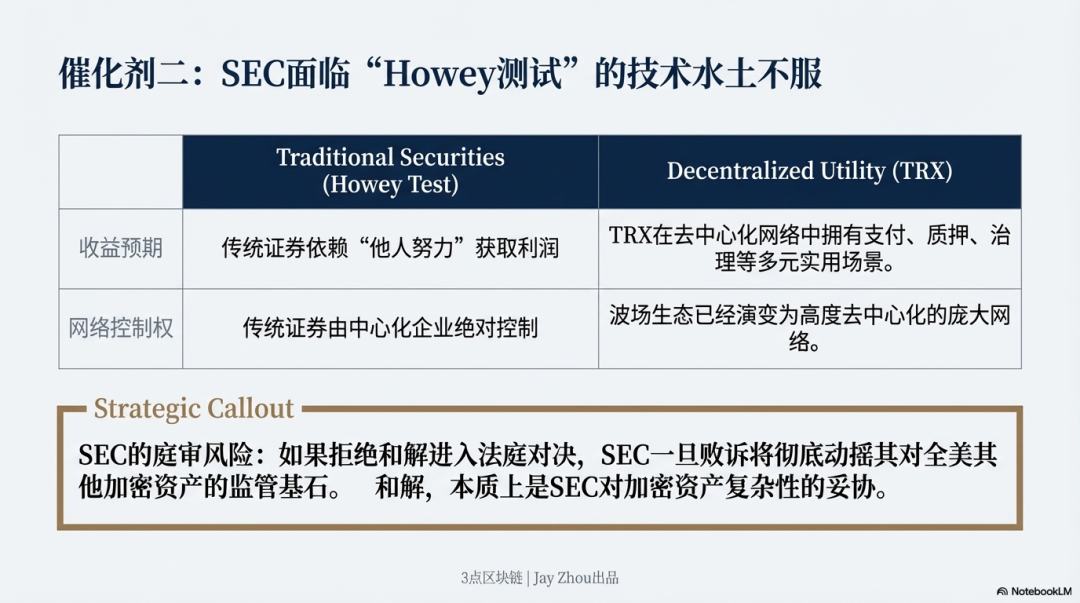 In addition to political factors, the technical difficulties faced by the SEC at the legal level also contributed to the settlement. The "identification of security attributes" of crypto assets has always been a core controversial point in global supervision. The "Howey test" previously advocated by the SEC faces many challenges when it is applied to decentralized blockchain assets. After years of development, the TRON network has formed a huge decentralized ecosystem. The usage scenarios of TRX tokens cover multiple dimensions such as payment, pledge, and ecological governance, which are significantly different from the "earning rights certificate" attribute of traditional securities. If the case enters the trial stage, the SEC will need to prove that TRX and BTT meet the core characteristics of an "investment contract" during the issuance and trading process, and Sun Yuchen can rely on factors such as the degree of decentralization of the ecosystem and the practical functions of the tokens to defend. Industry observers believe that the SEC’s choice of settlement rather than a court battle is essentially a compromise on the complexity of regulating crypto assets—if it loses in court, it may shake its regulatory foundation for other crypto assets. ; Reaching compliance constraints through reconciliation can not only achieve regulatory objectives, but also avoid restrictions on regulatory authority imposed by judicial decisions. 3. Industry shock: What does this settlement mean?3.1 Positive Signal: Improved regulatory certainty and restored industry confidenceFor the global encryption industry, the SEC’s withdrawal of charges against Justin Sun and the TRON Foundation has released multiple positive signals. First, regulatory uncertainty has been significantly alleviated. The "regulatory deregulation" policy promoted by the Trump administration has been implemented through specific cases, allowing the market to see "space for innovation under the premise of compliance." Previously, due to concerns about SEC enforcement risks, many encryption projects chose to relocate their operating entities to areas with clearer regulatory environments such as Singapore and Dubai. The settlement of the Justin Sun case may reverse this trend and encourage more projects to stay in or return to the US market. 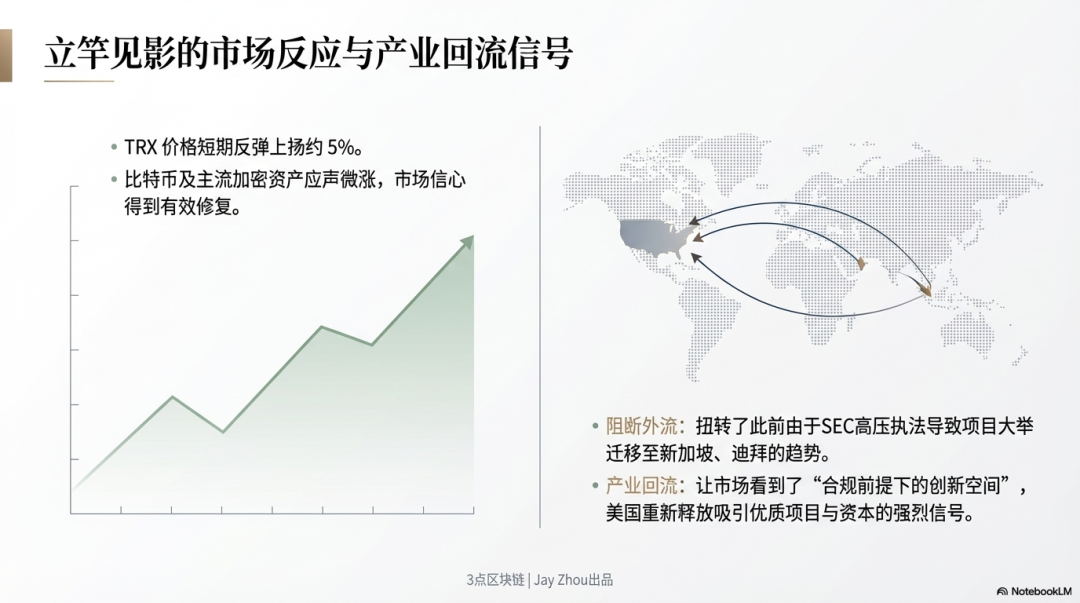 Secondly, it provides a reference settlement paradigm for similar cases. The "fine + ban + no-fault withdrawal of charges" model in the Justin Sun case provides a compliance path for other encryption projects facing SEC investigation - by proactively cooperating with supervision, committing to compliant operations, and assuming corresponding economic responsibilities, it is expected to avoid lengthy judicial litigation and business stagnation, which will significantly reduce the industry's compliance costs and time costs. In addition, market confidence has been effectively restored. After the announcement of the settlement, the price of TRX rose by about 5% in the short term, and mainstream crypto assets such as Bitcoin also rebounded slightly, showing investors' positive response to the improvement of the regulatory environment. For crypto entrepreneurs, this result proves that even in the face of severe accusations from the SEC, it is still possible to achieve sustainable development through compliance negotiations and help stimulate innovation in the industry. 3.2 Controversies and concerns: The dilemma of balancing regulatory fairness and investor protectionHowever, the settlement also sparked broader discussions about regulatory fairness. Critics pointed out that the fine of US$10 million is obviously insufficient compared to Sun Yuchen's personal wealth of more than US$1 billion and the TRON ecosystem's market value of tens of billions of US dollars, and it is difficult to form an effective deterrent effect. Some investor rights protection groups publicly stated that the SEC's settlement decision may condone market manipulation in disguise - if large illegal gains can be "legalized" by paying only a small fine, it may trigger more crypto projects to follow the illegal practices. 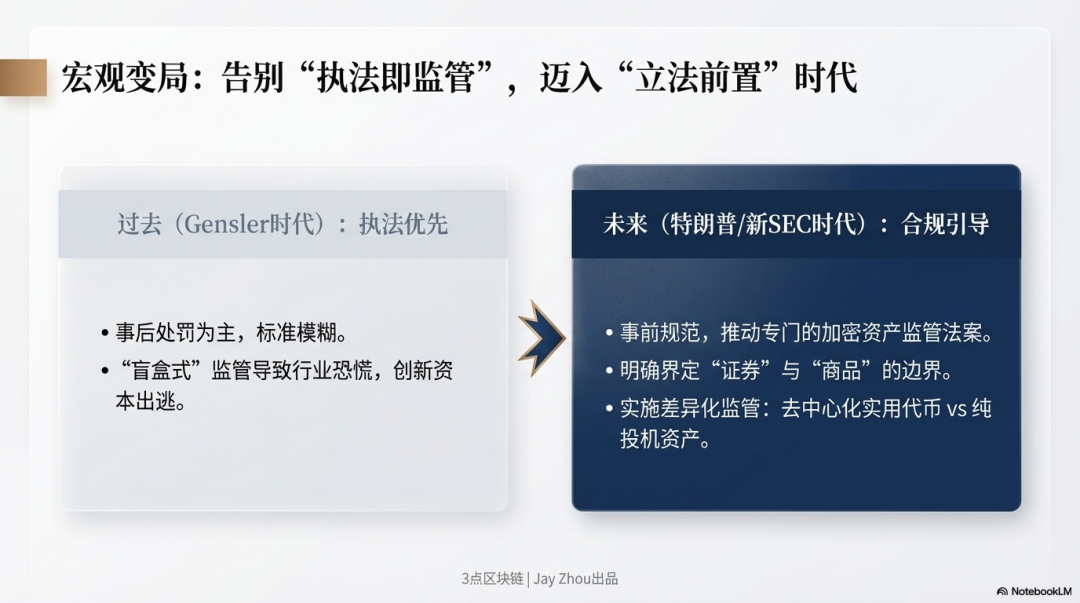 A more profound dispute is over the consistency of regulatory standards. Before the settlement of the Justin Sun case, many small and medium-sized encryption projects had been punished by the SEC for similar accusations, and some projects were even forced to shut down. However, Justin Sun, as a leading player in the industry, finally settled the case with a "no-fault settlement", which made the market question the existence of "scale discrimination" in the SEC's supervision. Large projects may obtain more relaxed regulatory treatment by virtue of their stronger negotiation ability. In addition, the settlement agreement did not require Sun Yuchen to return the US$31 million in suspected illegal gains. It only settled the matter through fines, which was criticized as "sacrifice of investor interests in exchange for regulatory compromise." 3.3 The special significance of practitioners with Chinese background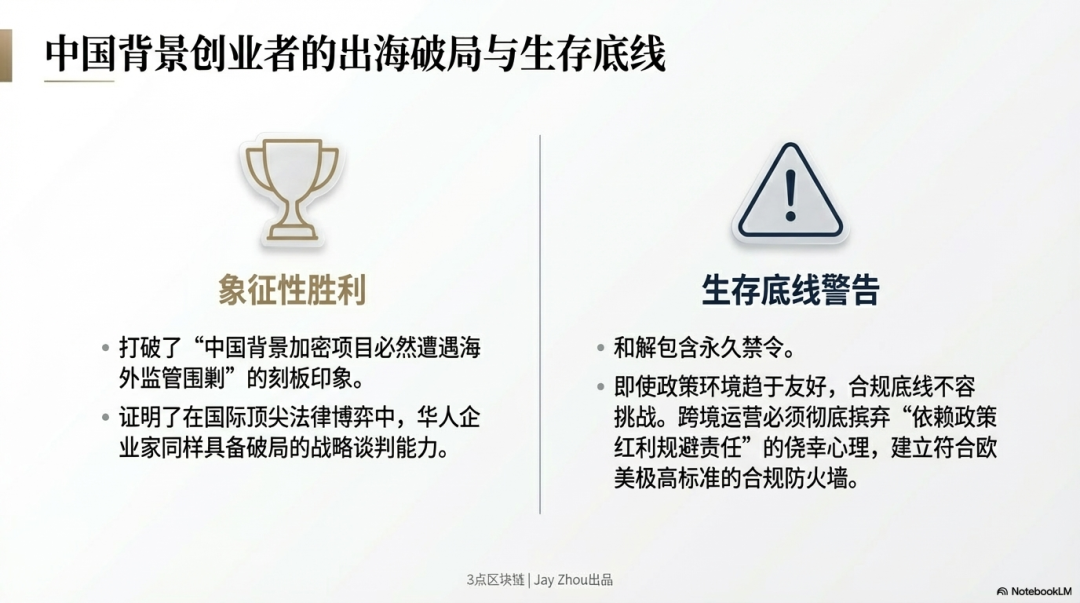 For crypto practitioners with a Chinese background, the outcome of the Justin Sun case has special symbolic significance. As one of the few Chinese crypto entrepreneurs who have gained widespread influence in the international market, Justin Sun's "regulatory escape" broke some people's stereotype that "Chinese-backed crypto projects are susceptible to overseas regulatory suppression" and provided confidence to more Chinese-backed crypto innovators. At the same time, this case also sends a clear compliance warning: even in a regulatory-friendly policy environment, compliance is still the bottom line for the survival of encryption projects. In the settlement agreement of the Justin Sun case, Rainberry Inc. is required to accept a permanent injunction, and any future violations of securities regulations will face severe penalties. This reminds all cross-border operating encryption projects to establish a compliance system that meets the regulatory requirements of the target market and cannot rely on policy dividends to avoid regulatory responsibilities. 4. Future Outlook: Cryptocurrency supervision has entered a new era of “compliance innovation”4.1 Evolution of the US regulatory landscapeThe end of the Justin Sun case marks the official departure of U.S. encryption regulation from the radical era of "enforcement priority" and a new stage of "compliance guidance + clear boundaries." Driven by the policies of the Trump administration, the SEC's regulatory logic will undergo three major changes: First, it will shift from "ex-post penalties" to "ex-ante regulations" and provide clear compliance guidance for the encryption industry by formulating clear regulatory rules rather than relying solely on law enforcement actions. ; The second is to treat different types of crypto assets differently, and implement differentiated supervision on decentralized tokens with actual use scenarios and purely speculative assets. ; The third is to strengthen international regulatory coordination and avoid capital outflows and regulatory arbitrage caused by differences in regulatory policies. 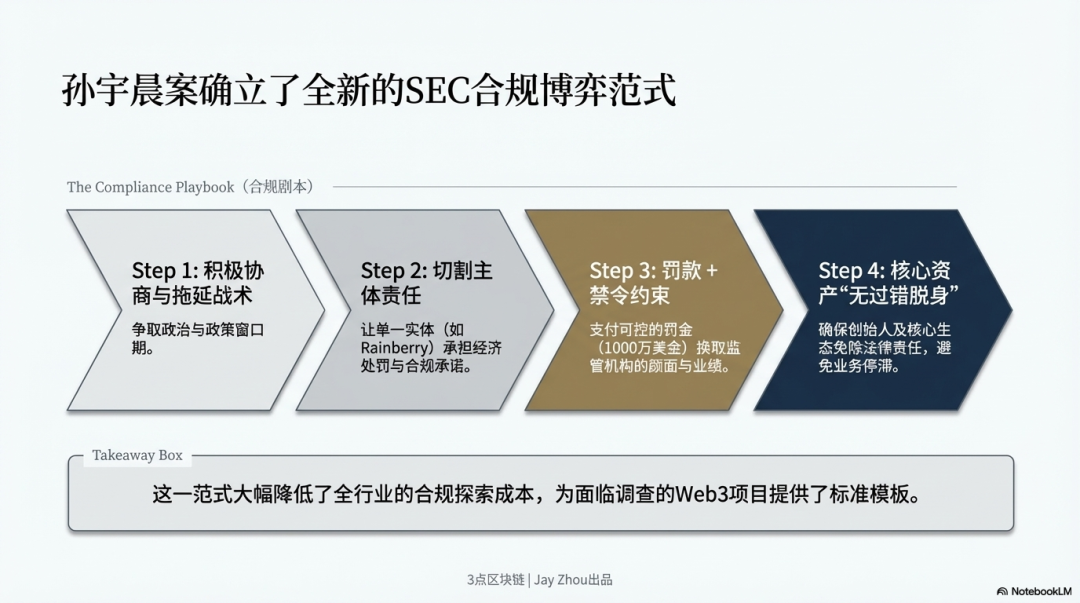 It is worth noting that the Trump administration is pushing Congress to pass a special crypto-asset supervision bill, which is expected to solve the problem of defining "securities" and "commodities" that has long plagued the industry and establish unified standards for the issuance, trading, custody and other aspects of crypto-assets. If the bill is successfully implemented, it will completely change the fragmented state of encryption supervision in the United States and create a more stable policy environment for industry development. 4.2 New opportunities for the development of TRON ecologyFor Justin Sun and the TRON ecosystem, the end of regulatory disputes means the beginning of a new chapter in development. Justin Sun quickly expressed his position on social media 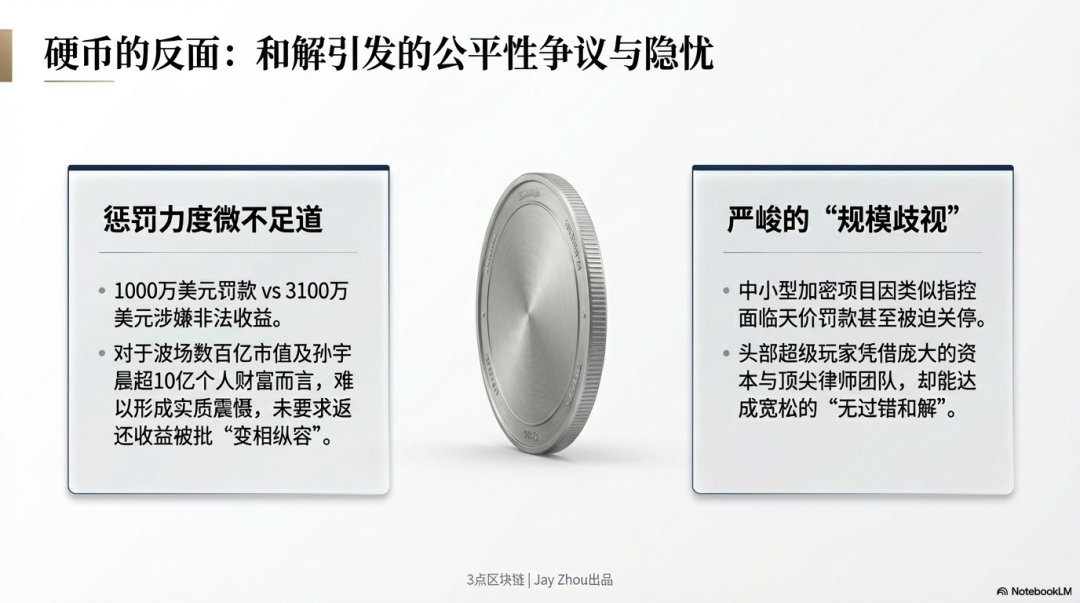 With the elimination of regulatory uncertainty, the TRON ecosystem is expected to attract more institutional investors to participate, and partners who previously had a wait-and-see attitude due to regulatory risks may also restart cooperation plans. But at the same time, the constraints of the permanent ban mean that any new business expansion of the Tron ecosystem must strictly comply with U.S. securities regulations, and the construction of a compliance team and the improvement of compliance processes will become its core focus. 4.3 Inspiration from the development of the global encryption industryThe settlement of Justin Sun’s case has provided multiple important revelations for the global encryption industry: First, supervision and innovation are not a zero-sum game. Through active communication and compliance adaptation, encryption projects can achieve sustainable development within the regulatory framework.; Secondly, policy direction is a key variable affecting the development of the encryption industry, but in the long run, technological innovation and compliance operations are the core competitiveness, and projects should not rely too much on short-term policy dividends. ; Third, there is an obvious trend of convergence in global encryption regulation. Whether it is the "compliance guidance" of the United States or the "active embrace" of some regions in Asia, they all point to the core direction of "clear boundaries, strengthen compliance, and protect investors." 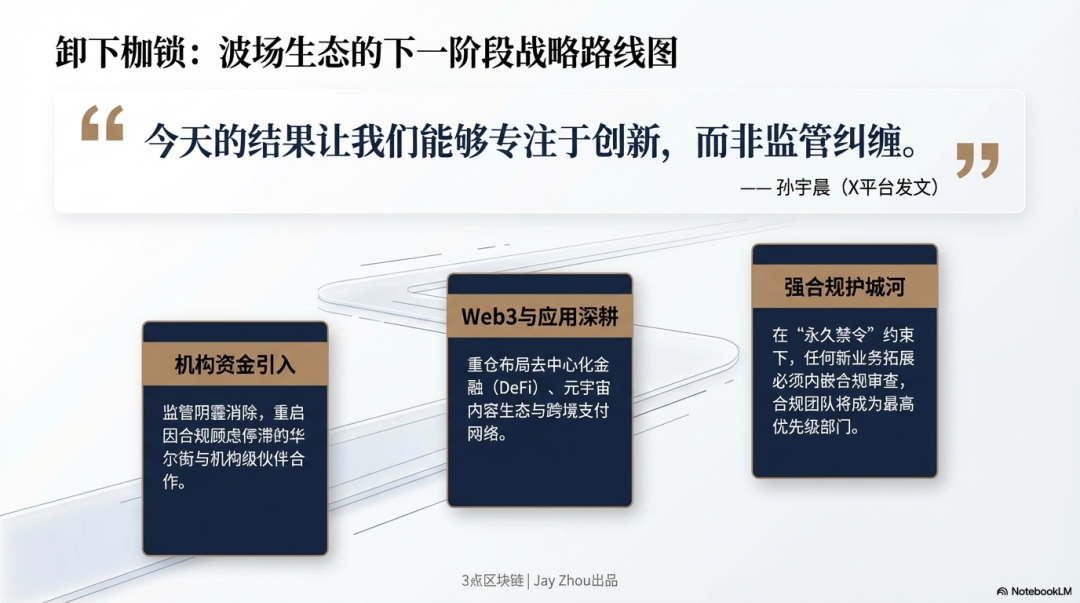 In the future, competition in the encryption industry will no longer be a speed competition of "barbaric growth", but a quality competition of "compliance innovation". Projects that can balance technological innovation, user experience and compliance requirements will gain greater room for development, while those projects that ignore supervision and blindly expand will still face the risk of being eliminated by the market. Conclusion: Finding room for innovation within regulatory boundariesThe SEC's withdrawal of the charges against Justin Sun and the Tron Foundation is not only the end of a judicial dispute, but also an important turning point in the global encryption regulatory landscape. This settlement not only reflects the policy shift from "suppression" to "regulation" in U.S. crypto regulation, but also exposes the complexity and diversity of crypto asset regulation - how to find a balance between protecting the interests of investors, maintaining financial stability, and encouraging technological innovation is still a common issue facing regulatory agencies around the world. 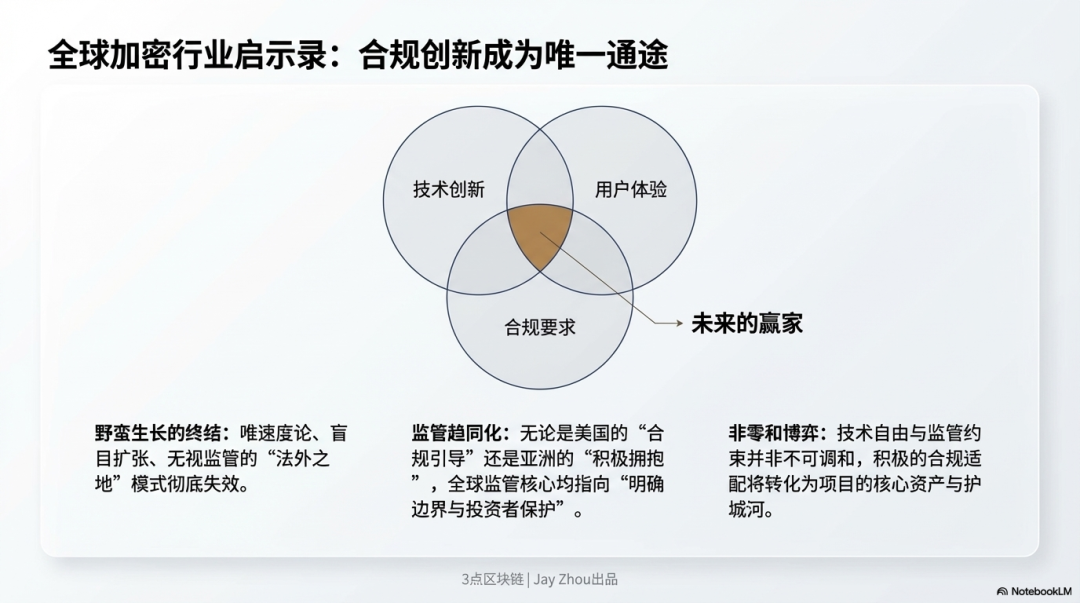 For Justin Sun, this is a new starting point to get rid of regulatory entanglements and focus on business development.; For the encryption industry, this is an important signal to clarify the compliance path and restore market confidence. ; For regulators, this is a useful attempt to explore new models for the supervision of crypto assets. In the future, with the further improvement of the U.S. encryption regulatory framework and the deepening of global regulatory coordination, the encryption industry is expected to bid farewell to the "regulatory confusion period" and enter a more mature and standardized development stage. This regulatory game that lasted for three years finally ended in a settlement. What was left to the industry was not only a case, but also a revelation: the innovative vitality of encryption technology is unstoppable, but no innovation can escape the constraints of supervision. Finding a balance between regulation and freedom, and releasing innovation potential within compliance boundaries, is the only way for the encryption industry to achieve long-term development. 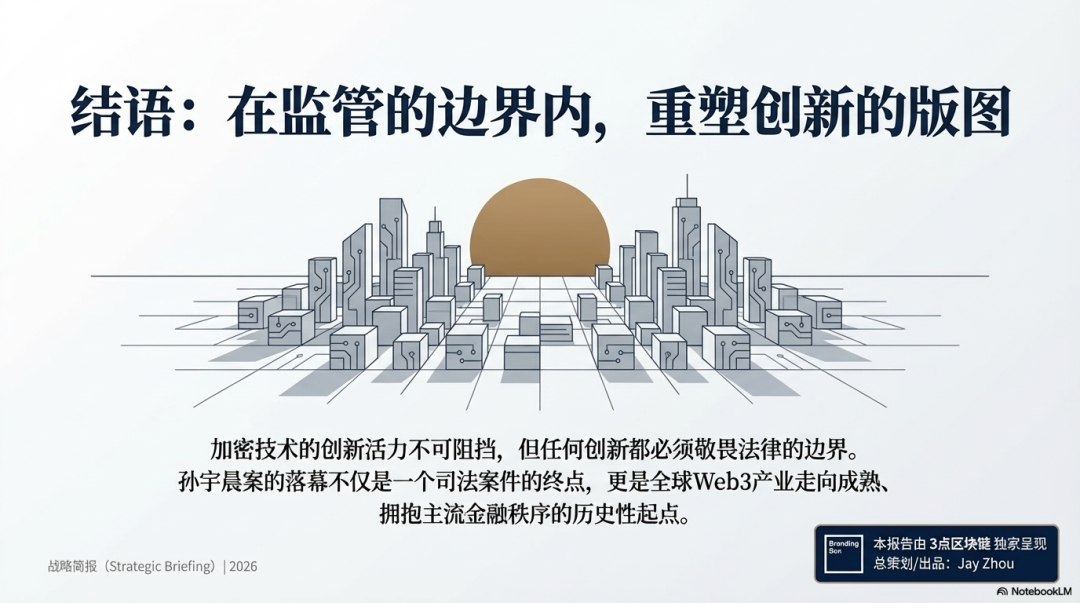 Extended Reading [Interpretation of Ten Thousand Words] Why did the parent company of the New York Stock Exchange invest in OKX with a valuation of US$25 billion? What is the Web3 version of the Strait of Hormuz? Web3 to Web4 Survival Guide: How to use systematic warfare ideas to enhance personal skills? [24,000-word in-depth analysis] The trend of the US-Israel-Iran conflict after the beheading and global market turmoil. How will the US-Israel-Iran conflict rewrite Web3 and the global digital financial order? Web4 is coming! Is Web3 out of date? The battle for the attention economy has begun in the currency circle: A look at social gaming from OKX’s online planet Web3 survival guide for the Year of the Horse. Why have I been shorting the digital currency since I liquidated it on October 4 last year? A must-see for traders! 5 Misconceptions Stealing Your Profits Why Are Top Traders All Cold-faced Killers? Meditation is the ultimate magic weapon to win in the cryptocurrency industry. Why do I believe that the 4-year cycle theory in the cryptocurrency industry must exist? What I really admire are those who make money in the bear market. The bear market is the cash machine: 6 strategies to teach you to make 10 times against the trend. Will 2026 replicate the crypto bear market of 2022? 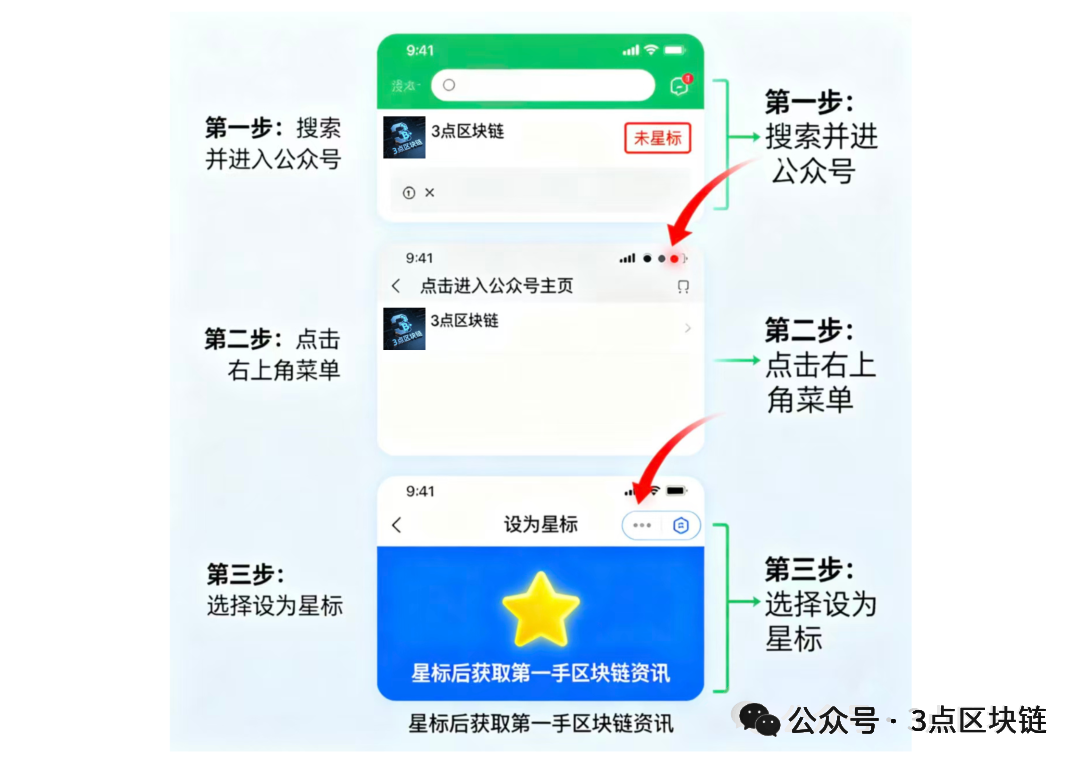 If you want to communicate or leave your contact information in a private message, you can also scan the QR code directly.   share  collect  star  Like |

|

|

|

|

|