 English
47782

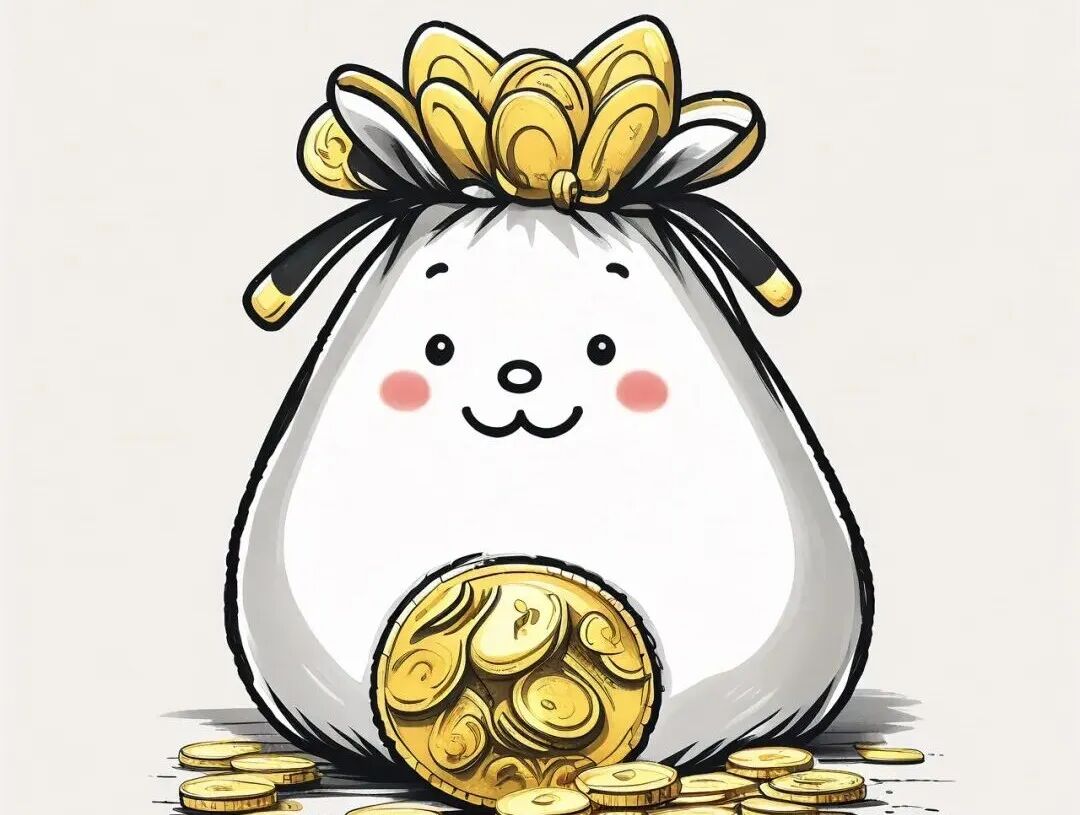 Have you ever seriously thought about the issue of “money”? I now try to use first principles to ask questions and use first principles to reconstruct my cognitive system. 1. What can money be used for? You will definitely say, can’t money be used to buy stationery, pay tuition, buy a car or a house? Anyway, if you have money, you can buy everything you want. 2. So where does “money” come from? You will definitely say, of course it is the hard earned money of your parents! You can make money by going to work, doing business, or investing. Then I'll ask again--- 3. Why do some people have more money and some people have less money? Is it not working hard enough? So why do those who work the hardest make the least money? For example, farmers, construction site workers, assembly line workers... 4. Why does the same bread in a bakery that could be bought for five yuan now cost eight yuan? 5. Money seems to be just a piece of paper, so why can it be used to exchange for things? 6. Why can’t we almost see the physical form of “money” now? “Where did the money go? ...... To clarify these issues, let us first understand the evolution of currency. 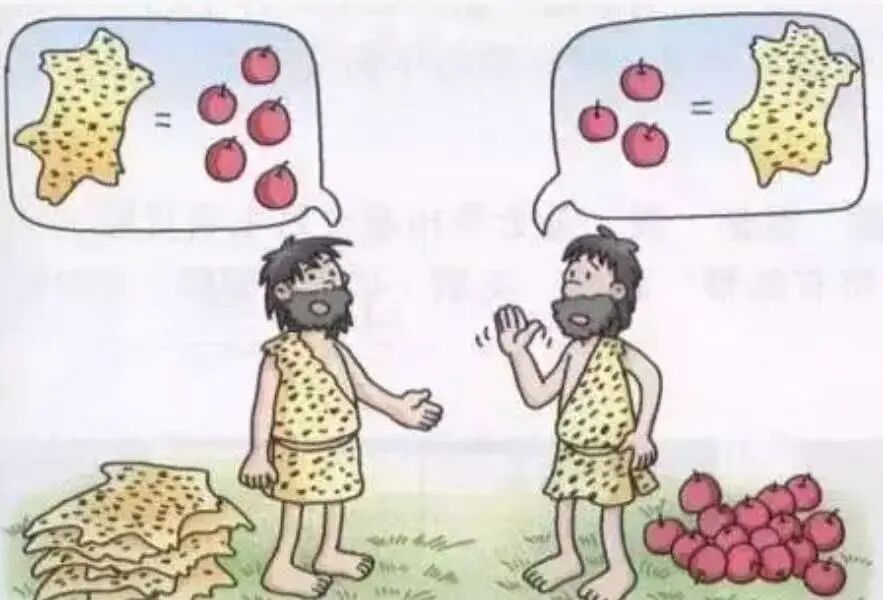 From ancient barter (such as chickens for rice, salt for cloth), to gold (as well as silver and shells), banknotes, and today’s digital currency. The essence of currency is actually trust. As long as people believe something has value, it can become currency. But the problem is - the government can print money at will, which will slowly devalue the money. This is "inflation", making our money less and less valuable (question 4 above). In the past, some banknotes were backed by gold, which was called the "gold standard" system. That is to say, how many banknotes correspond to how much gold. However, after the "Bretton Woods Conference", banknotes were completely decoupled from gold. From then on, banknotes completely reflected the government's credit. 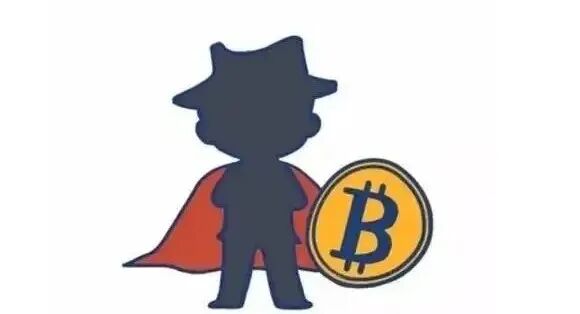 It was against this background that Bitcoin emerged. It is said that it was not created by a certain company or country, but was launched in 2009 by a person (or team) called "Satoshi Nakamoto". The most amazing thing is that no one knows who Satoshi Nakamoto is. Although his name sounds Japanese, there is also a lot of evidence that he is not Japanese. He only appeared on the Internet, communicated with many people by email, left a document called "Bitcoin White Paper" and 1.1 million Bitcoins, and then disappeared completely. These Bitcoins have not been touched yet, and they seem to be stored there forever. His Bitcoin White Paper changed the world. He used a piece of code to design a brand new currency system: there are no banks, no bosses, and you cannot print money at will, because there will always be only 21 million Bitcoins in the world. This "scarcity" reminds people of gold, so many people call it "digital gold." Bitcoin is a digital currency. It is not a coin held in your hand, but a virtual currency that exists on the Internet. It runs on something called a "blockchain". “Bitcoin is like email, but used to transfer money. ”As long as there is an Internet connection, you can send money directly to anyone in the world without going through a bank or worrying about others stealing it. All this relies on "blockchain" technology - a "public ledger" maintained by computers around the world. All transactions are recorded, transparent and secure, and almost impossible to forge. Trust in Bitcoin is ensured by technology. Bitcoin did not have much value at the beginning. Even on May 22, 2010, there was a legendary story that a programmer exchanged 10,000 Bitcoins for two large pizzas, and this day was later designated as "Bitcoin Pizza Day". But the programmer said that he did not regret doing so, because this was the first peer-to-peer transaction of Bitcoin, proving that it has currency properties. Nowadays, Bitcoin is recognized by more and more people, and its value has soared from worthless to US$110,000 a piece, mainly because the legal currency continues to depreciate. The number of Bitcoins is fixed, open and fair. It belongs to everyone and not to any government. Some countries, such as El Salvador, will use Bitcoin as legal tender in 2021 and launch the digital wallet "Chivo Wallet"”; Some companies and institutions have also begun to accept Bitcoin. For example, Microsoft allows users to purchase digital services with Bitcoin, and the American convenience store chain Sheetz accepts cryptocurrency payments in all stores. ; Bitcoin has even enabled payment and savings functions in some poor areas that cannot be reached by banks. From screen to reality: The story of Bitcoin in Kibera, Kenya. Recently, my mother told me that there are reports that the University of Hong Kong supports the use of Bitcoin to pay tuition fees. It seems that Bitcoin is entering our lives little by little! I heard a saying: "You may not need to buy Bitcoin, but it does not prevent you from understanding it." Others said, "You may not need to buy the entire Bitcoin, just a little bit." Because a Bitcoin can be divided into 100 million small units - called "satoshi", which is Satoshi Nakamoto's "Satoshi". I feel like these words are meant for us students. To understand Bitcoin, we don’t necessarily have to learn trading, but we can use it to understand the essence of currency and understand “decentralized thinking.” I have always felt that the process of understanding Bitcoin contains philosophical ideas, which encourages us to question authority, understand the system, and take control of our own future. The content shared today comes from a booklet, "Bitcoin Made Simple" - A Teenager's Guide to Bitcoin. 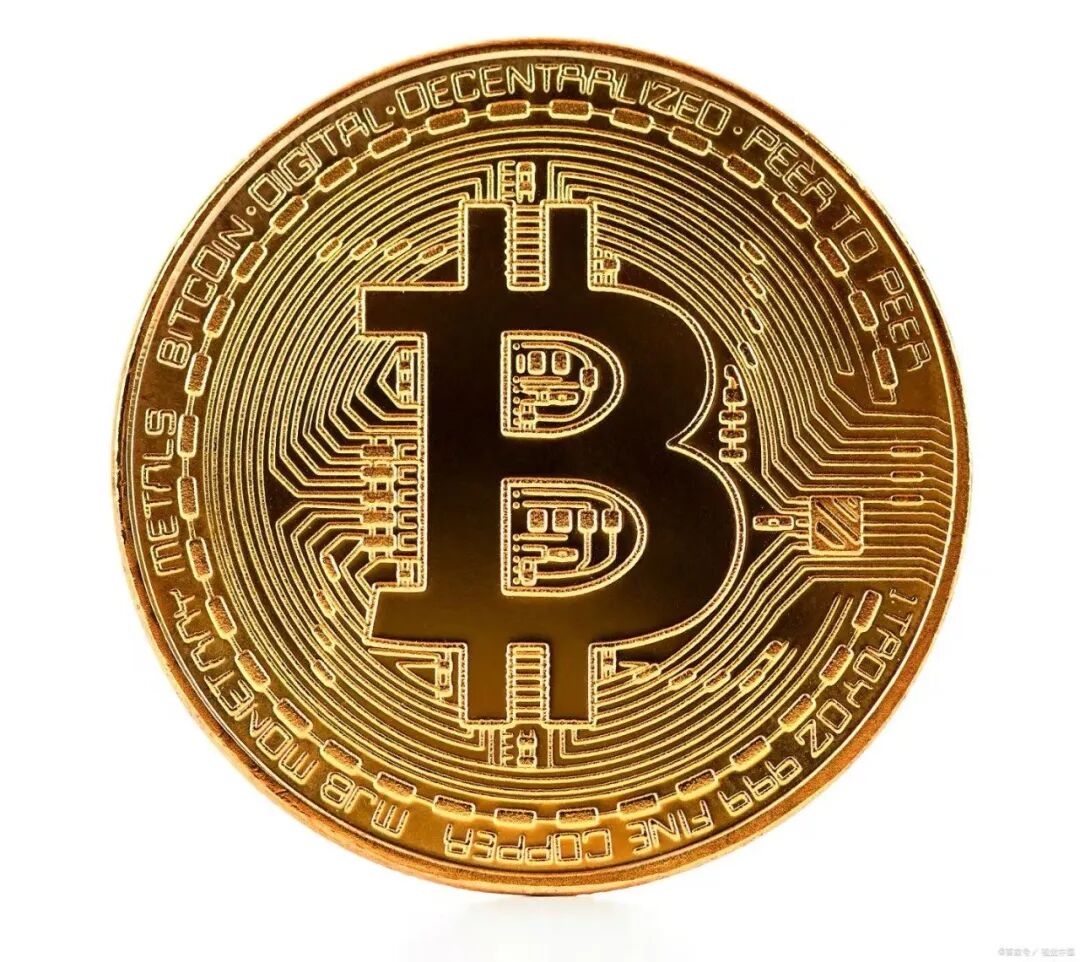 Picture source network, apologies for infringement and deletion. |

|

|

|

|

|

【Depth】The crossroads of Ethereum (ETH): The 1-hour K-line

Ethereum’s quantum upgrade

ETH seems to be stabilizing, but it is actually a false fire

Solana Foundation Recruitment!

sol market analysis on March 24, 2026

SOL market analysis 3.23

BNB is about to make a comeback!

The most stable method of ETH is exposed tonight!
2026-03-26
2026-03-26
2026-03-26
2026-03-26

 ETH
ETH
